
How To Block A Crochet Project
How To Block A Crochet Project - So give it a try! While many projects look beautiful without blocking (opening and stretching out the stitches), most projects benefit from this final step. Wringing or twisting will distort your stitches. It makes the stitches open up—be less crumpled and more drapey. Hover the iron a few inches above the crochet item and release steam onto the fabric. Here is a swatch of a cowl i was in the. By chris hammond • april 3, 2024. Whether you're making a delicate doily, a comfortable blanket, or a trendy garment, crochet blocking will make. Move slowly across the entire piece. Read on to discover how to block crochet projects to give them a truly professional finish! Before you begin, carefully examine your finished crochet project. Weave in any loose ends and trim excess yarn. There are three different blocking methods for your project depending on your preferences, what type of fiber you’ve used, and how much time you have. Hover the iron a few inches above the crochet item and release steam onto the fabric. Web learn how to block crochet to give your projects a perfect shape and finish. This method is ideal if you want to avoid getting your crocheting soaking wet. Web the term blocking refers to a process by which crocheted or knitted fabrics are stretched to the desired finished size to open up the stitches. Web the fair weather crochet cowl is a light, soft, and perfectly feel good project to stitch up! Web 4 easy methods to block crochet projects. Pin and shape item on a blocking mat on a flat surface. Web how to block your crochet projects. Weave in any loose ends and trim excess yarn. There are three different blocking methods for your project depending on your preferences, what type of fiber you’ve used, and how much time you have. Another reason blocking crochet is so beneficial is it gives your items a professional look. Here is a swatch. Web there are a few methods on how to block your crochet work. Gently steam the item with an iron set to steam above the fabric. The three crochet blocking methods are wet, steam. In this blog post, i’ll cover 3 ways you can block your crochet: When you block crochet you are forcing your completed project to dry in. Hover the iron a few inches above the crochet item and release steam onto the fabric. Web the term blocking refers to a process by which crocheted or knitted fabrics are stretched to the desired finished size to open up the stitches. If you are using synthetic fibers or delicate yarn refer to the washing instructions on your label. Lightly. Regular pins can quickly leave rust stains on your work, and that certainly doesn’t look too professional. A common way to do this is to lay the project on a towel, then roll the towel and the crochet project up together to press out the water, repeating until project is not dripping. Steam blocking uses a steam iron or garment. Always block a swatch first. Move slowly across the entire piece. There are three different blocking methods for your project depending on your preferences, what type of fiber you’ve used, and how much time you have. Use the wooden spoon to “whack” stubborn lumps, coaxing them into submission. Unleashing the power of steam. Move slowly across the entire piece. If you completely submerge a project in water, don’t wring or twist it to get the water out. Test out your blocking method on a small swatch first. Choose a method that best suits the fiber content of your yarn. Your project is vulnerable to shaping (and misshaping) when it is wet. Wringing or twisting will distort your stitches. Unleashing the power of steam. Blowdry your project on low heat until completely dry. Web never wring or twist a project. Too much heat can kill your acrylic yarn, and cotton yarns do need water or steam to block. Choose a method that best suits the fiber content of your yarn. A common way to do this is to lay the project on a towel, then roll the towel and the crochet project up together to press out the water, repeating until project is not dripping. There are many things you can do to ensure a nice block with. Test out your blocking method on a small swatch first. Web gather your materials: If you have, wring out excess water beforehand. If you are using synthetic fibers or delicate yarn refer to the washing instructions on your label. There are three blocking methods: Another reason blocking crochet is so beneficial is it gives your items a professional look. There are many things you can do to ensure a nice block with clean edges and crisp lines. Gathered shows you the best methods and tools for blocking crochet. Your project is vulnerable to shaping (and misshaping) when it is wet. It makes the stitches. Gathered shows you the best methods and tools for blocking crochet. Web the fair weather crochet cowl is a light, soft, and perfectly feel good project to stitch up! Set your iron to continuous steam. Web soak (or wet) blocking, is where you submerge the entire crochet piece in water. Another reason blocking crochet is so beneficial is it gives your items a professional look. Web why block crochet? Web never wring or twist a project. Too much heat can kill your acrylic yarn, and cotton yarns do need water or steam to block. Read on to discover how to block crochet projects to give them a truly professional finish! Whether you're making a delicate doily, a comfortable blanket, or a trendy garment, crochet blocking will make. Web wet blocking is submerging your finished project in water, carefully squeezing out the excess, and then shaping the fabric before leaving it to dry.; While many projects look beautiful without blocking (opening and stretching out the stitches), most projects benefit from this final step. I recently updated my crochet hexagon pattern with brand new photos and a video tutorial and i’ve been crocheting a bunch of them for a new honeycomb baby blanket. A common way to do this is to lay the project on a towel, then roll the towel and the crochet project up together to press out the water, repeating until project is not dripping. Web the term blocking refers to a process by which crocheted or knitted fabrics are stretched to the desired finished size to open up the stitches. Web gather your materials: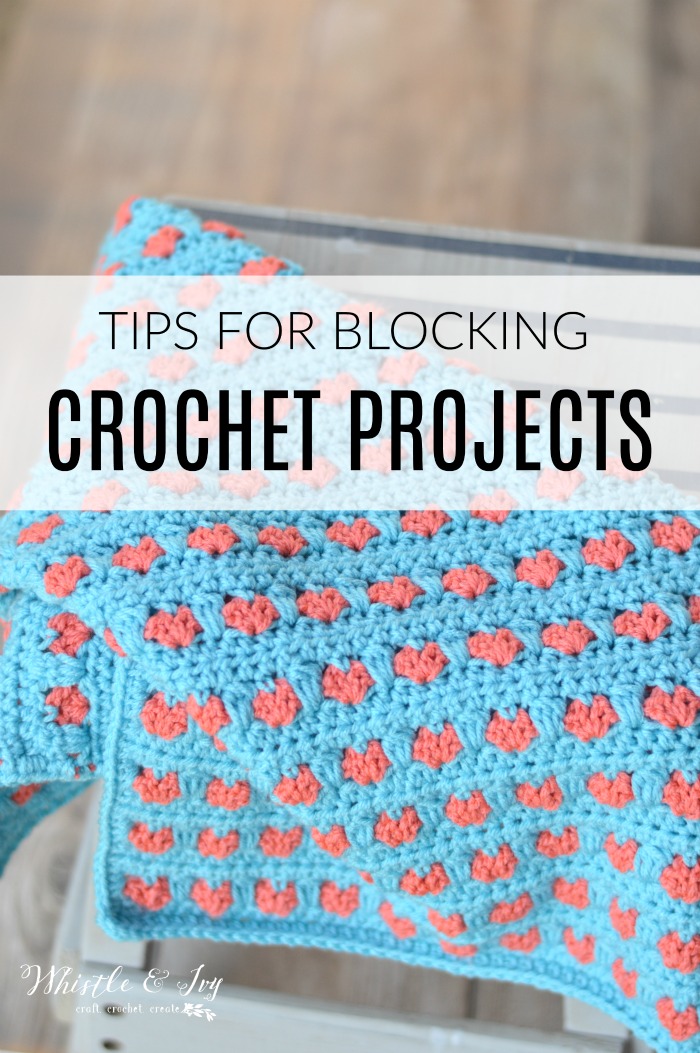
CROCHET TIP How to Block your Crochet Projects Whistle and Ivy
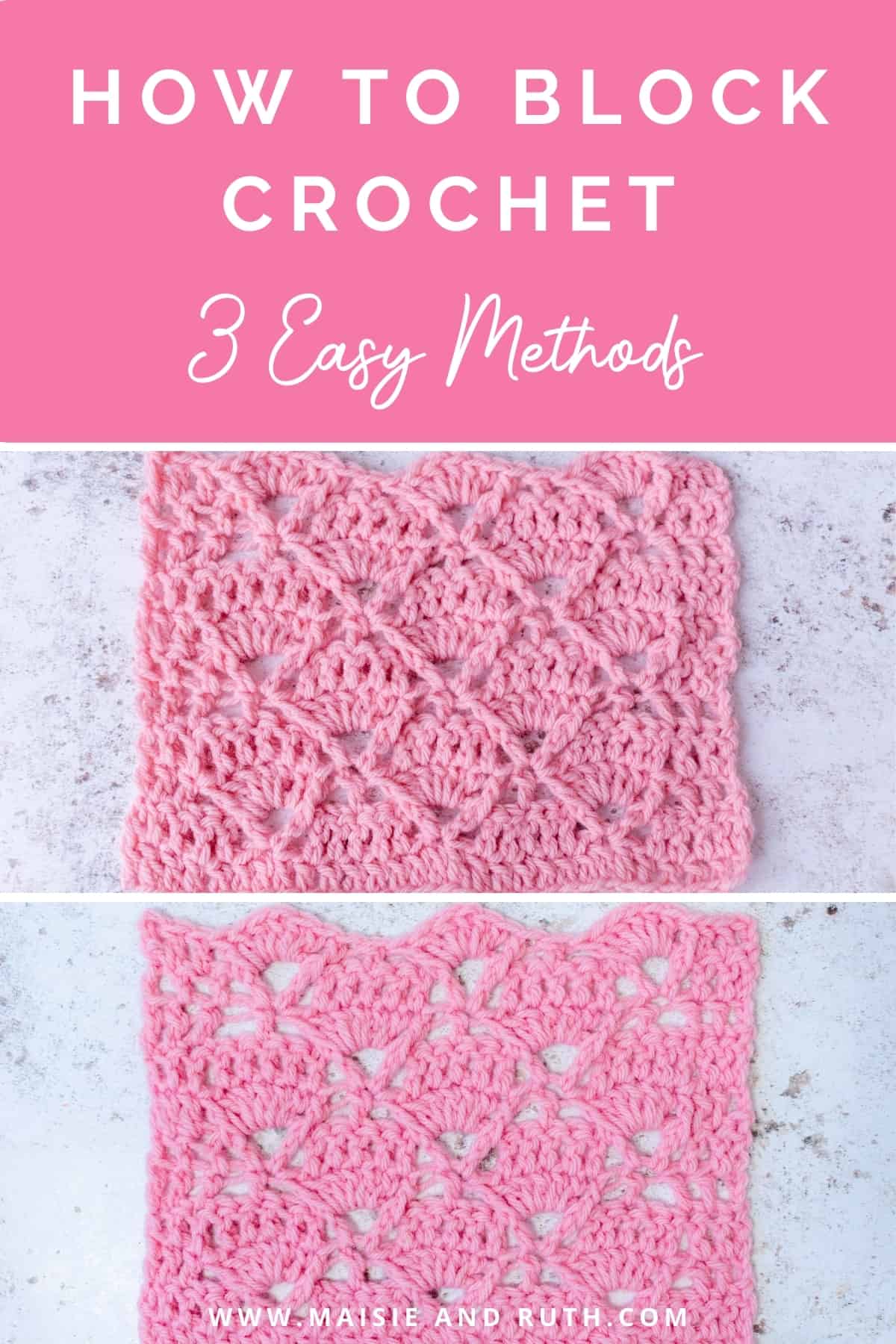
How to Block Crochet (3 Easy Methods) Maisie and Ruth

How to block your crocheted or knitted items crochet Crochet
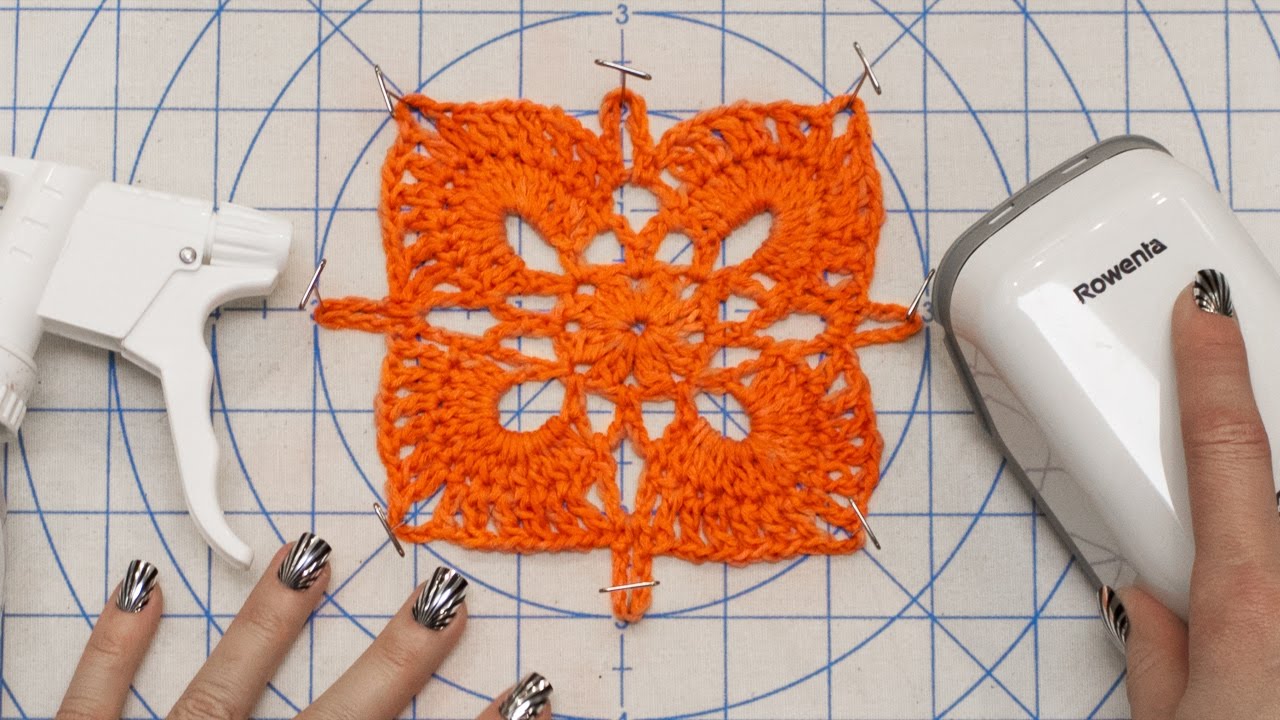
Learn How to Block Crochet and Knit Projects Naztazia
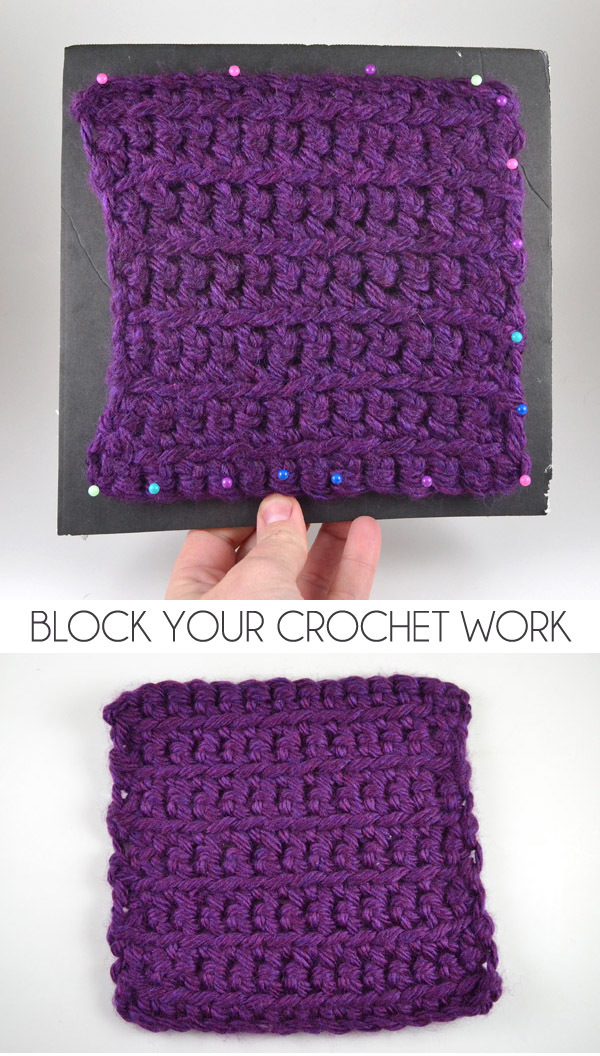
How to Block Finished Crochet Projects

all about blocking crochet and knits Diy crochet and knitting

How To Block Crochet Projects 3 Methods Detailed Steps

How To Block Crochet Projects 3 Methods Detailed Steps
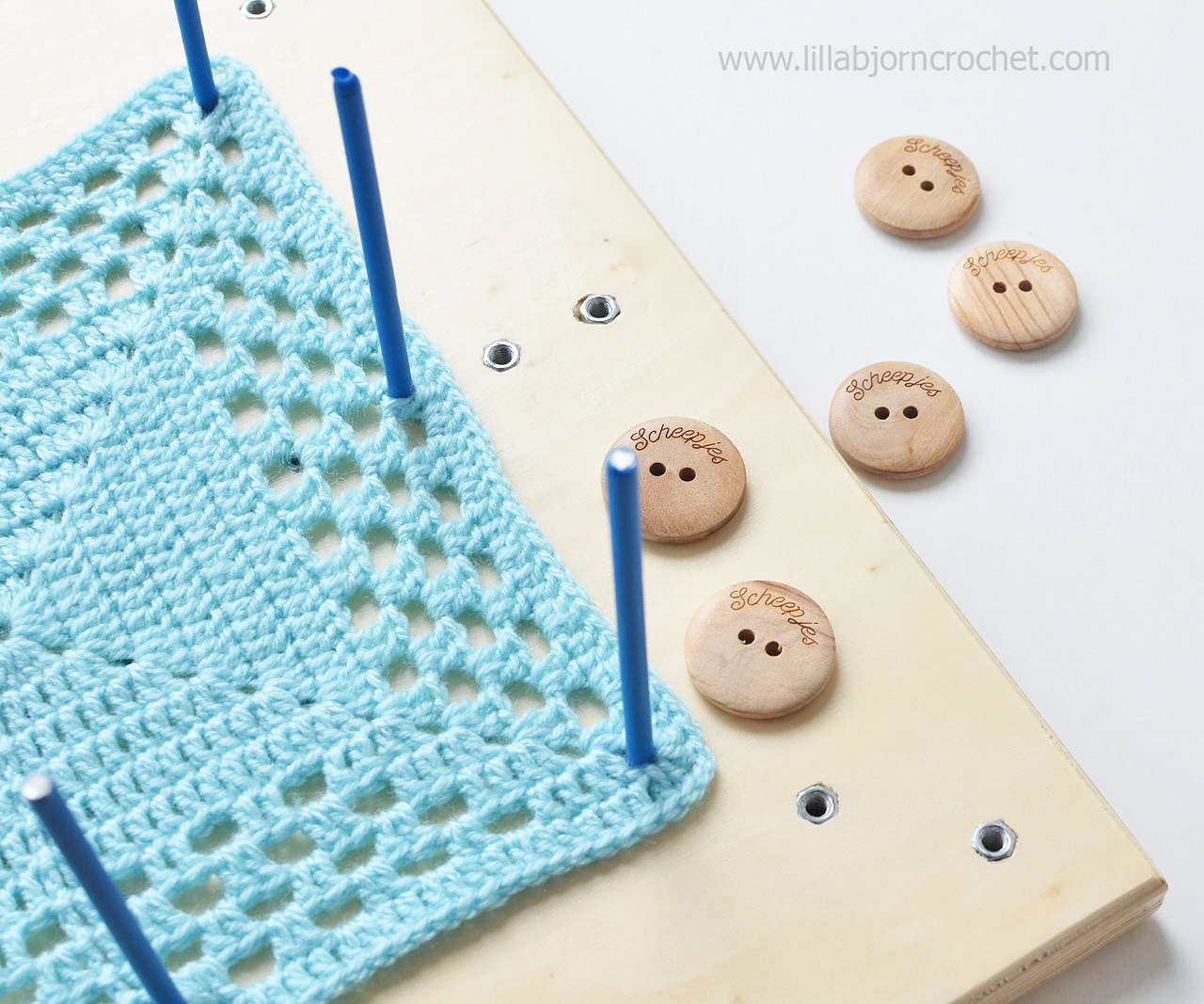
Why and how to block crochet and knitted projects? LillaBjörn's
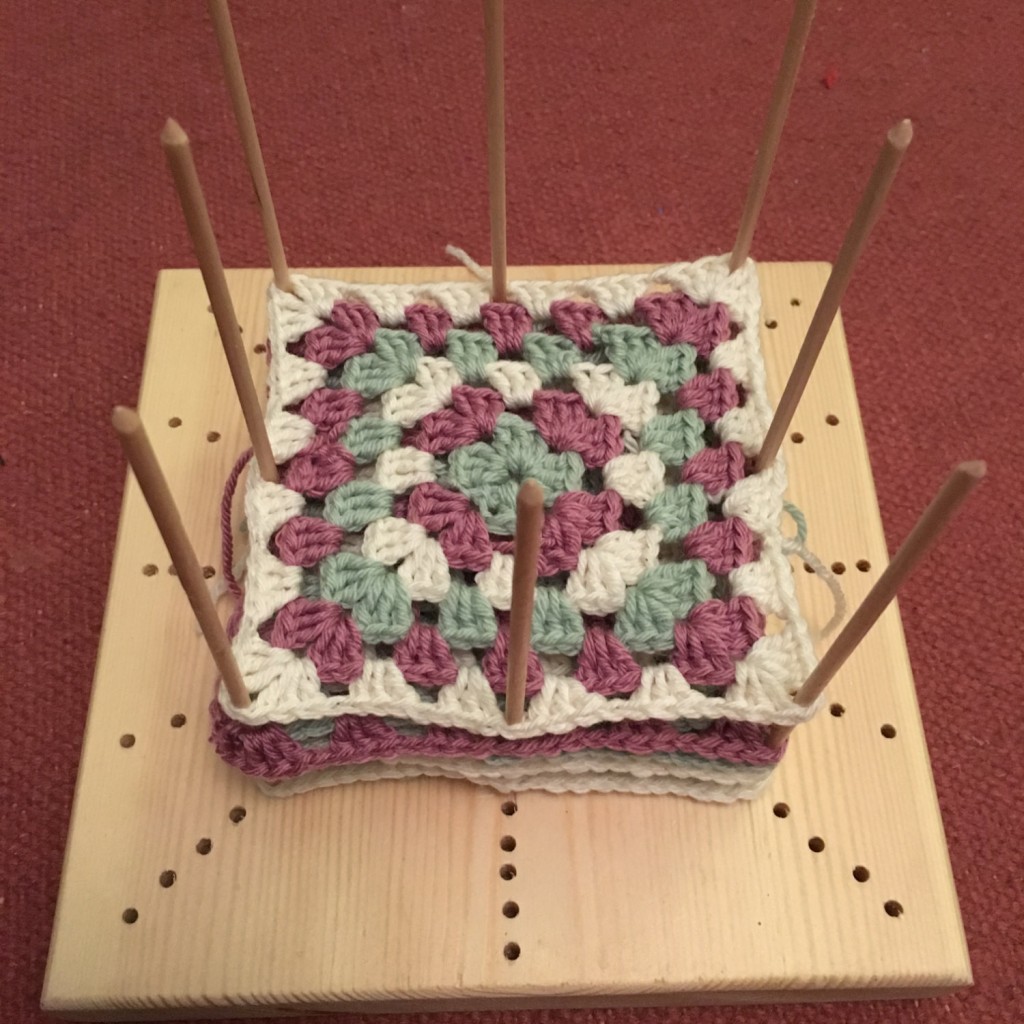
How to Block Your Crochet Projects I Like Crochet
Web It’s Hard To Be Definitive About Which Projects Will Retain The Best Stitch Memory, But It’s The Kind Of Thing That Becomes More Intuitive With Experience.
But Before I Start Joining Them, I Knew I Have To Block Them So The Stitches (And Corners) Will Align Perfectly.
Web Ways To Block Your Crochet Project.
Web Guide To Blocking Crochet.
Related Post: